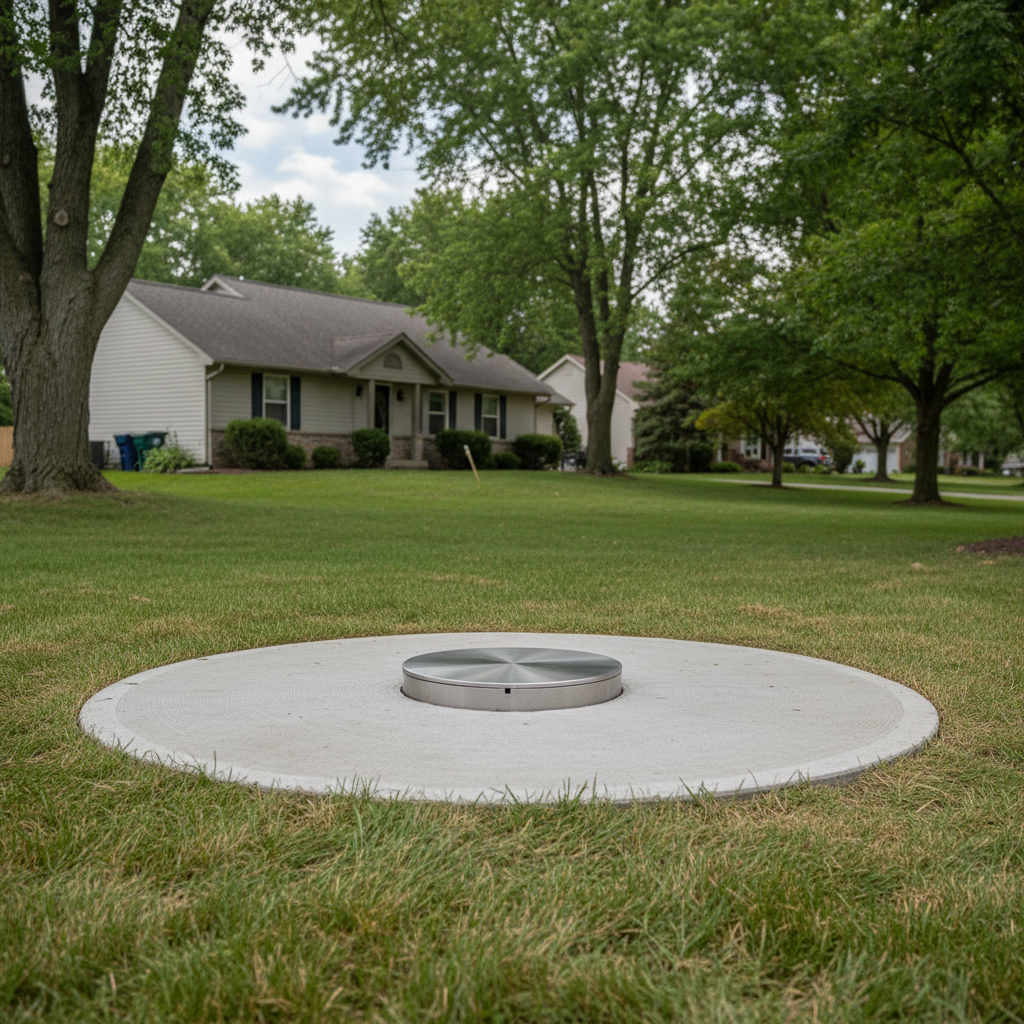
Why would I even want a private well in Akron? Aren't city water lines everywhere?
That's a fair question, and you're right, a lot of Akron is hooked up to city water. But not everywhere. You'd be surprised how many properties, especially in some of the more rural-feeling areas around the city limits, like out toward Springfield Township or even parts of Bath, don't have easy access to municipal water. For those folks, a well isn't just a choice, it's a necessity. Even if city water is available, some people just prefer the taste and quality of well water. It's often untreated, meaning no chlorine or other chemicals. Plus, once it's in, you're not paying a monthly water bill to the city, which can save you a bundle over the years. It's an investment, for sure, but one that pays off.
How much does a new well typically cost in our area?
Alright, let's get down to brass tacks. This is probably the number one question I get. The truth is, there's no single, fixed price tag because every job is different. What I can tell you is what influences the cost. It's mostly about depth and the type of geology we hit. Here in Northeast Ohio, we've got a mix of shale, sandstone, and sometimes some glacial till. If we hit a lot of hard rock, it takes longer and wears out drill bits faster, which drives up the cost. The average residential well around Akron might be anywhere from 150 to 300 feet deep, but I've drilled deeper. You're looking at a range, generally, from $8,000 to $15,000 for a complete system, including the pump, pressure tank, and all the hookups. This doesn't include things like extensive trenching if your house is far from the well site, or specialized water treatment if your water analysis comes back needing it. We always give you a detailed quote after a site visit, so you know what you're getting into.
What's the process for getting a well installed, from start to finish?
It's a pretty straightforward process, but it does involve a few steps. First, you give us a call at All Things Well Drilling, and we'll come out to your property to assess the site. We'll talk about your water needs, look at the lay of the land, and figure out the best spot for the well. Next, we'll handle the permitting. You can't just start drilling anywhere; the Summit County Health Department needs to approve the location and plans to make sure it meets all the health and safety regulations. Once we have the permit, we schedule the drilling. Our crew comes out with the rig, and we start drilling. This can take anywhere from a day to a few days, depending on the depth and ground conditions. Once the well is drilled, we install the casing, the pump, the pressure tank, and run the lines to your house. We then disinfect the well and take a water sample for testing. Once the water test comes back clean, you're good to go. We'll walk you through how everything works before we leave.
Do I need a permit for a well in Akron? Who handles that?
Absolutely, you need a permit. This isn't a DIY project you can just start digging in your backyard. The Summit County Health Department oversees all private well installations in our area. They have specific regulations about well setbacks from septic systems, property lines, and potential contamination sources. It's all about protecting your drinking water and your neighbors'. Good news is, when you hire us, we handle all the permit applications for you. We know the paperwork, we know the requirements, and we'll make sure everything is filed correctly and approved before we even think about bringing the drill rig onto your property. It saves you a headache and ensures everything is up to code.
How long does a typical well installation take?
From the day we start drilling to the day you're getting water into your house, it usually takes about 2 to 5 days of actual work on site. Now, that's just the physical installation. The whole process, from our initial site visit to getting the permit approved by the health department, can add a few weeks to that timeline. The health department has their own schedule for reviewing applications, and sometimes there's a bit of a wait. So, if you're thinking about getting a well, don't wait until you absolutely need it. Plan ahead. We always try to get things done as efficiently as possible without cutting corners, because nobody likes waiting for water.
What kind of maintenance does a private well need?
Once your well is installed, it's not entirely 'set it and forget it,' but it's not high-maintenance either. The main thing is to have your water tested annually, especially for bacteria like coliform. We recommend a full mineral analysis every few years too, just to keep an eye on things like iron, manganese, or hardness, which can change over time. Beyond that, it's mostly about keeping an eye on your pressure tank and pump. Listen for unusual noises, check for leaks, and make sure your pressure is consistent. The pump itself is usually good for 10-20 years, sometimes more, depending on usage and water quality. We're always here if you have questions or need a service call, but generally, a well is a pretty robust system that just keeps on giving.
What if my well water isn't perfect? Can it be treated?
It's rare to hit perfect water that needs absolutely no treatment, especially around here. We've got pretty hard water in a lot of Summit County, and sometimes you'll find iron or sulfur. The good news is, almost any water quality issue can be treated. After we drill your well, we'll take a water sample and send it to a certified lab. When the results come back, we'll review them with you. If there are any issues, we can recommend and install the right treatment system for your specific needs. That might be a water softener for hardness, an iron filter, a sulfur removal system, or even a UV light for bacterial concerns. We don't just drill the well; we make sure the water coming into your home is clean, safe, and tastes good. It's all part of making sure you're happy with your new water source.