You're probably here because you've heard about geothermal heating and cooling, and you're wondering if it's the right move for your Akron home. It's a big decision, and frankly, there's a lot of information out there that can be confusing. I get a lot of the same questions from folks exploring geothermal, so I figured I'd lay out some honest answers. No marketing fluff, just what I've seen on the ground.
What exactly is geothermal drilling, and how does it work?
Alright, let's break it down. Geothermal drilling isn't like drilling for water, though we use similar equipment. What we're doing is creating a closed-loop system underground. We drill boreholes, typically 150 to 400 feet deep, depending on your property's needs and soil conditions. Then, we install U-shaped pipes, called ground loops, into these boreholes. These pipes are filled with a water-antifreeze solution that circulates constantly.
Here's the magic: the earth maintains a pretty consistent temperature, usually around 50-55 degrees Fahrenheit, just a few feet down, even when it's freezing cold or scorching hot up here. In winter, the fluid in the loops absorbs heat from the earth and carries it to your geothermal heat pump inside your house. The heat pump concentrates that heat and distributes it. In summer, the process reverses: your home's heat is absorbed by the fluid, carried underground, and dissipated into the cooler earth. It's incredibly efficient because you're just moving heat, not creating it by burning fuel.
How much space do I need for a geothermal system?
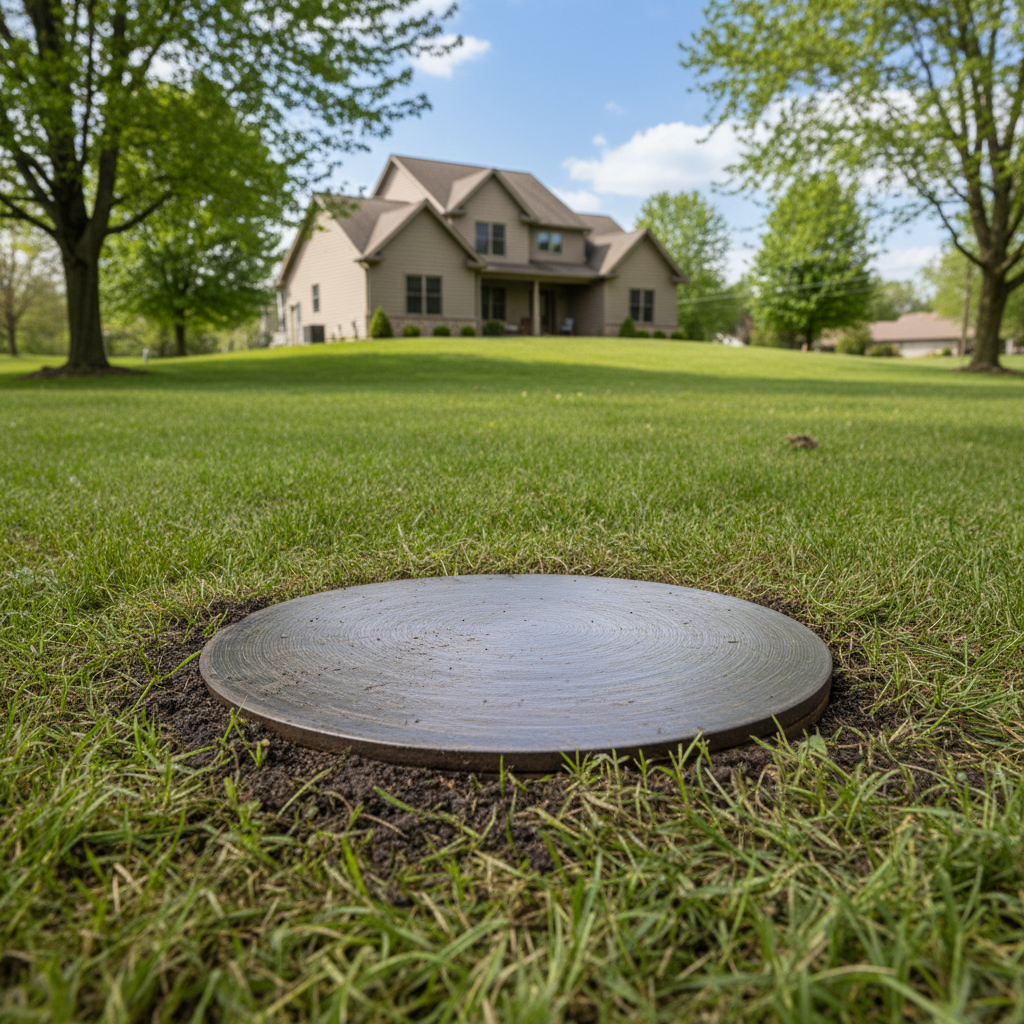
This is a common concern, especially for homes in older Akron neighborhoods like Highland Square or West Hill where lots can be tighter. The good news is, you don't need a massive amount of space for the drilling itself. For a typical residential system, we're talking about drilling multiple vertical boreholes, usually spaced 15-20 feet apart. The drilling rig itself needs some room to maneuver, but once the loops are in and the boreholes are backfilled, you won't even know they're there. The pipes are buried well below the surface, so you can still plant grass, gardens, or even build over the area. We'll assess your property to figure out the best layout and how many boreholes you'll need.
How long does the drilling process take?
The drilling phase itself can vary. For a standard residential system with, say, three to five boreholes, we're usually looking at anywhere from three days to a week for the drilling and loop installation. This depends on a few factors: the depth of the holes, the type of soil and rock we encounter (Akron's glacial till can be interesting!), and of course, the weather. We're pretty efficient, but we don't cut corners. Once the drilling is done, there's still the connection to the indoor heat pump and system commissioning, which is handled by your HVAC contractor.
Is geothermal drilling messy or disruptive to my property?
Let's be honest, anytime you're drilling into the earth, there's going to be some disruption. We're bringing heavy equipment onto your property, and we're pulling up soil and rock cuttings. We do our absolute best to minimize the mess. We'll lay down protective mats if needed, and we'll contain the drill cuttings as much as possible. Once the drilling is complete, we backfill the boreholes and clean up the site. You'll likely have some disturbed soil that will need to be reseeded or landscaped, but we're not going to leave a permanent crater in your yard. We treat your property with respect, just like we would our own.
What's the lifespan of a geothermal ground loop system?
This is where geothermal really shines. The indoor heat pump unit typically lasts 20-25 years, similar to a high-quality traditional furnace or AC unit. But the ground loops? Those things are built to last. They're made of durable, high-density polyethylene (HDPE) pipe, designed to withstand underground conditions for a very long time. We're talking 50 years, even 100 years or more. Once they're in the ground, they're pretty much set for life. That's a huge advantage when you think about long-term home value and avoiding costly replacements down the road.
What kind of maintenance do geothermal ground loops require?
This is another fantastic benefit: virtually no maintenance on the ground loops themselves. Because it's a closed system and the pipes are buried deep underground, they're protected from the elements, corrosion, and physical damage. You don't need to clean them, flush them, or do anything else. Your indoor heat pump unit will need regular maintenance, just like any other HVAC system – filter changes, annual check-ups, that kind of thing. But as for the part All Things Well Drilling installs, once it's in, you can pretty much forget about it.
Can I install geothermal if I already have a well for drinking water?
Yes, absolutely. Having a water well on your property doesn't prevent you from installing a closed-loop geothermal system. The drilling for geothermal loops is separate from your drinking water well. We'll always ensure there's proper spacing between the geothermal boreholes and your existing water well to prevent any interference or contamination. We're very familiar with local regulations and best practices for well spacing here in Summit County. We'll review your property layout and well location carefully during the planning phase to make sure everything is done correctly and safely.
Hopefully, this clears up some of the common questions you might have about geothermal drilling. It's a significant investment, but one that pays off in comfort, efficiency, and long-term savings. If you're serious about exploring geothermal for your home, give us a call at All Things Well Drilling. We're happy to come out, take a look at your property, and give you an honest assessment of what's involved.